Gerecht EU 21 maart 2012, zaak T-63/09 (Volkswagen tegen BHIM/Suzuki Motor) - dossier - perscommuniqué
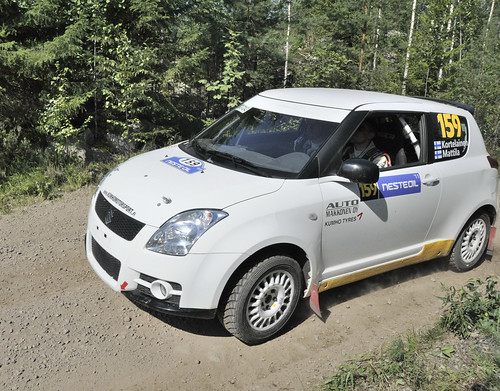 Doet sterk denken aan de TDI-uitspraak [ IEF 10487].
Gemeenschapsmerkenrecht. In de oppositieprocedure komt aanvrager van het gemeenschapswoordmerk SWIFT GTI, Suzuki, houdster van het Duitse en internationale woordmerk GTI tegen. De afdeling wijst de oppositie af, het beroep wordt verworpen. De aangevoerde middelen: Er bestaat wel verwarringsgevaar tussen de merken.
Gerecht EU: Volkswagen kan zich niet verzetten tegen de inschrijving van het door Suzuki aangevraagde gemeenschapsmerk SWIFT GTi. Het Gerecht bevestigt de beslissing van het BHIM dat er geen gevaar bestaat voor verwarring tussen dit merk en de oudere merken „GTI” van Volkswagen.
Omdat de lettercombinatie GTI al lang voor aanmelding van GTI-merk van Volkswagen werd gebruikt als beschrijvende aanduiding, komt het Gerecht EU niet tot een andere conclusie. Het element "SWIFT" is een onderscheidende fantasiebenaming. Het Gerecht EU beoordeelt separaat over het verwarringsgevaar in respectievelijk Zweden, Duitsland en een aantal andere lidstaten (waaronder de Benelux). De klacht wordt afgewezen en Volkswagen wordt veroordeeld in de kosten.
Uit't perscommuniqué: Het Gerecht stelt vast dat het BHIM geen vergissing heeft begaan door te oordelen dat mensen uit de automobielsector de lettercombinatie „gti” als een beschrijvende aanduiding zullen opvatten en dat deze lettercombinatie slechts een zeer gering intrinsiek onderscheidend vermogen bezit voor het grote publiek. In dit verband had het BHIM met name rekening gehouden met de omstandigheid dat het letterwoord GTI veel wordt gebruikt door talrijke autofabrikanten in heel Europa (zoals Rover, Nissan, Mitsubishi, Peugeot, Suzuki en Toyota) om de technische kenmerken van bepaalde modellen aan te duiden en dat er andere merken met het letterwoord GTI bestaan (zoals „Peugeot GTI” of „Citroën GTI”). Bovendien heeft het BHIM terecht geoordeeld dat het woord SWIFT, dat als een verzonnen woord wordt opgevat en in het begindeel van het aangevraagde merk staat, het meest onderscheidende bestanddeel van dit merk vormt.
Het Gerecht is dan ook van oordeel dat het BHIM terecht heeft vastgesteld dat de modelnaam SWIFT de visuele, fonetische en begripsmatige overeenstemming van de conflicterende merken grotendeels zoniet geheel opheft. Evenzo heeft het BHIM terecht geoordeeld dat de gemiddelde consument in Zweden, in de Benelux, in Duitsland, in Frankrijk, in Italië en in Oostenrijk niet louter door de combinatie van de drie letters „gti” zal veronderstellen dat alle voertuigen, onderdelen en toebehoren van dezelfde fabrikant afkomstig zijn, zodat er geen verwarringsgevaar bestaat.
97 Zudem ist hervorzuheben, dass der Wortbestandteil „gti“, anders als die Klägerin vorträgt, in der Anmeldemarke keine äquivalente selbständig kennzeichnende Stellung behält, da er zum einen als Beschreibung technischer Spezifikationen der fraglichen Waren und damit als sehr schwach unterscheidungskräftig aufgefasst wird (siehe oben, Randnr. 86) und zum anderen nur an nachrangiger Stelle am Ende der Anmeldemarke steht.
112 Weiter geht aus der die Automobilbranche betreffenden Rechtsprechung hervor, dass, wenn in tatsächlicher Hinsicht erwiesen ist, dass der Durchschnittsverbraucher ein bestimmtes Produkt wegen seiner objektiven Merkmale erst nach einer besonders aufmerksamen Prüfung erwirbt, rechtlich zu berücksichtigen ist, dass dieser Umstand die Verwechslungsgefahr zwischen Marken für solche Produkte in dem entscheidenden Zeitpunkt, in dem die Wahl zwischen den Produkten und den Marken getroffen wird, verringern kann (Urteil des Gerichtshofs vom 12. Januar 2006, Ruiz Picasso u. a./HABM, C‑361/04 P, Slg. 2006, I‑643, Randnr. 40). Somit und im Hinblick auf die obigen Feststellungen in den Randnrn. 41 und 42 ist davon auszugehen, dass das in der vorstehenden Randnummer dargelegte Ergebnis, dass keine Verwechslungsgefahr besteht, durch den Umstand bestätigt wird, dass das allgemeine Publikum bei der Anschaffung der fraglichen Waren überdurchschnittlich aufmerksam ist. Dies gilt umso mehr für die Fachkreise, bei denen eine hohe Aufmerksamkeit und Kenntnis des relevanten Marktes besteht.
130 Schließlich habe die Klägerin nicht bewiesen, dass sie in einer erheblichen Reihe von Fällen gegenüber anderen Herstellern ein Verbot durchgesetzt hätte, GTI‑Autos jeweils unter ihrer eigenen Marke zu verkaufen, sei es auf dem deutschen Markt oder in einem anderen Mitgliedstaat. Eine einzige derartige Zwangsmaßnahme gegen eine Neuheit auf dem deutschen Markt, den Lada GTi im Jahr 2007, reiche nicht aus, um die Feststellung zu widerlegen, dass die Buchstabenkombination „gti“ von verschiedenen Autoherstellern bereits lange vor der Anmeldung der fraglichen Gemeinschaftsmarke umfangreich benutzt worden sei. Jedenfalls könnten die Schlussfolgerungen der Beschwerdekammer nicht durch ein einziges Verfahren, das lange nach Beginn des vorliegend in Rede stehenden Widerspruchsverfahrens anhängig gemacht und ohne Entscheidung in der Sache abgeschlossen worden sei, in Frage gestellt werden.
Op andere blogs:
AOMB (Een snelle beslissing)
 Uit't kamerstuk: Op dit moment is niet bekend hoeveel «counterfeit» in Nederland wordt geïmporteerd: er zijn nauwelijks gevallen van (import van) counterfeit middelen op de Nederlandse markt bekend.
 Uitspraak ingezonden door Jerry Considine, Considine Merkenbureau.
 Merkenzaak. Werzalit Duitsland brengt, onder het merk Werzalit, bouwelementen van kunststof met houtspaander als vensterbanken, balkon- en gevelbekleding, tafelbladen en profielen op zowel de Nederlandse markt als daarbuiten. Quick Service mocht langs andere kanalen dan het dealernetwerk van Werzalit ook producten verkopen. De licentievergoeding wordt, zo luidt de brief van de advocaat, niet gezien als licentievergoeding maar als vergoeding voor de schade die Werzalit Duitsland lijdt als gevolg van merknaaminbreuk.
 Nietigheidsprocedure. Op grond van meerdere oudere merkinschrijvingen van het beeldteken FS (rechts) voor o.a. ritssluitingen wordt de nietigheid van het aangevraagde gemeenschapsbeeldmerk
  Uitspraak ingezonden door Marc de Boer,
  Luister hieronder naar de opnames van het VIE / AIPPI-Symposium van 14 maart 2012.


